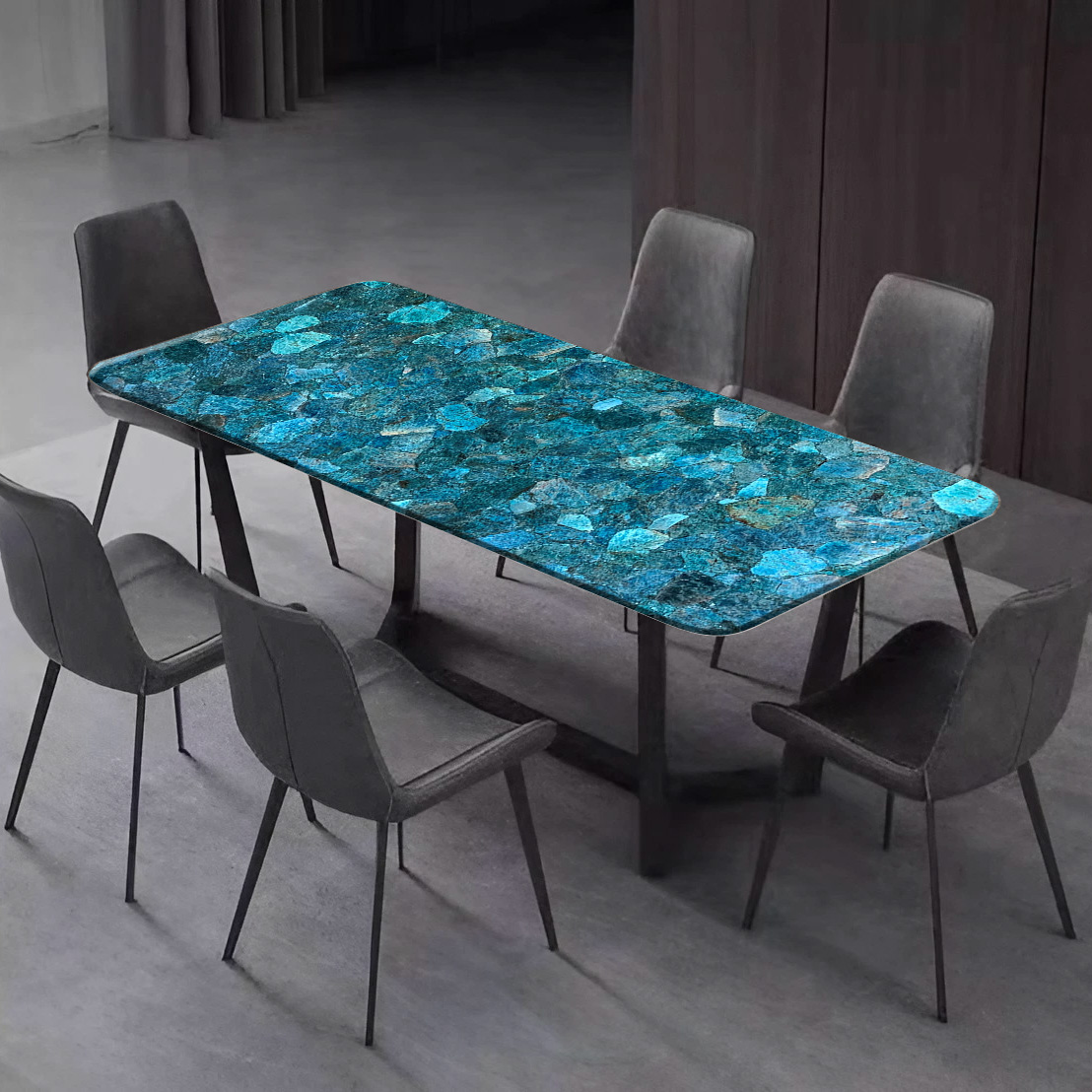
Semiprecious Stone Slabs from India
Global demand for gemstone surfaces has increased significantly in recent years. Designers, architects, and international stone distributors increasingly source semiprecious stone slabs from India because of the country's craftsmanship, variety of gemstones, and competitive manufacturing costs.
If you are planning to import stone slabs from India, understanding the sourcing process can help you avoid delays, quality issues, and unexpected costs. This guide explains why India—particularly Kishangarh—is the global hub for gemstone slab manufacturing and outlines the practical steps international buyers should follow before placing an order.
Why India Is a Global Hub for Semiprecious Stone Slabs
India has become one of the leading production centers for gemstone slab fabrication. The country offers access to skilled artisans, advanced cutting technology, and a wide variety of raw materials sourced globally.
The Importance of Kishangarh in the Stone Industry
Kishangarh in Rajasthan is widely known as the marble and stone capital of India. Over the past two decades, it has also developed into a major manufacturing cluster for semiprecious gemstone slabs.
Gemstone Slab Manufacturer Kishangarh
Many international buyers specifically search for a gemstone slab manufacturer Kishangarh because the region offers a concentrated network of processing units, skilled labor, and export logistics support.
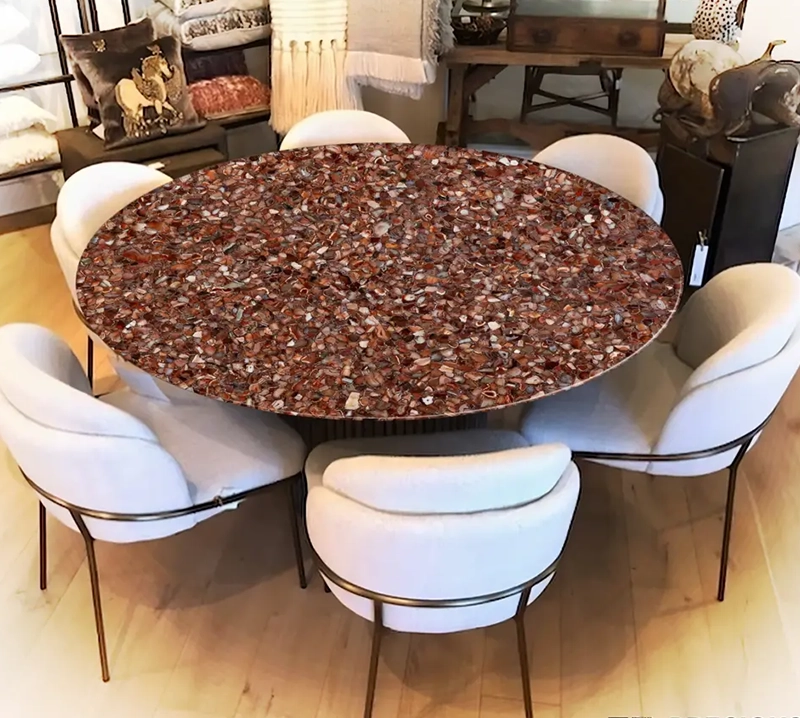

How to Find a Reliable Manufacturer
When sourcing from India, selecting the right manufacturer is the most critical step. A reliable semiprecious stone slab exporter India should be able to demonstrate production capability, export experience, and consistent quality standards.
Evaluate Manufacturing Capability
Ask the supplier about slab production processes, cutting equipment, and reinforcement techniques. Manufacturers who control fabrication in-house typically offer more consistent quality.
Verify Export Experience
Exporting stone requires careful packaging, documentation, and logistics coordination. Experienced exporters understand international shipping procedures and documentation requirements.
What to Check Before Ordering
Before confirming an order, buyers should review several technical factors to ensure the slabs meet project requirements.
Sample Approval
Always request slab photos or physical samples before production begins. Natural gemstone materials vary significantly in pattern and color.
Thickness Calibration
Most semiprecious slabs are produced between 15–20 mm thickness. Consistent calibration is important to ensure proper installation, especially for furniture or wall panels.
Resin Reinforcement
Because gemstone slabs are assembled from individual stone slices, high-quality resin reinforcement is essential for durability and long-term stability.
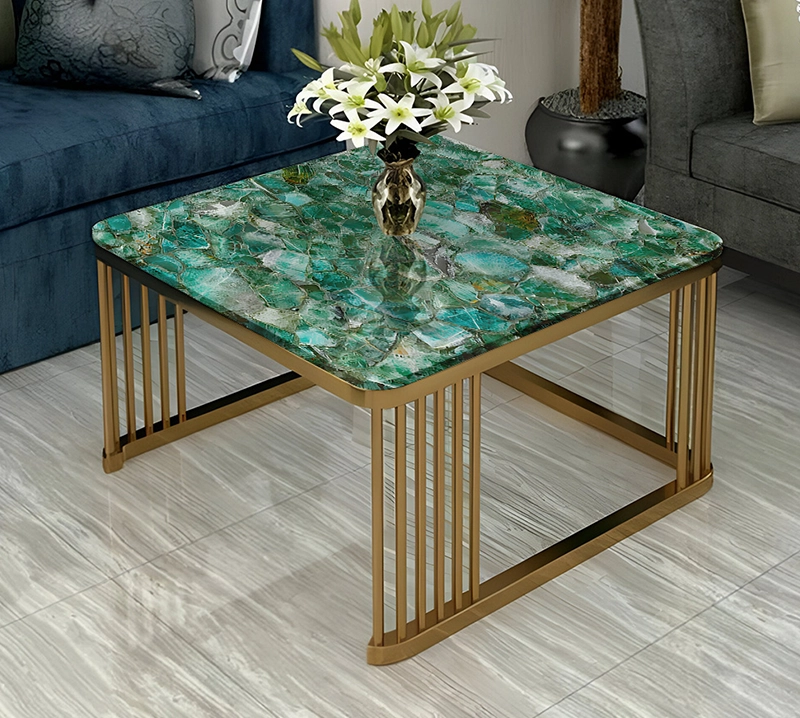

Minimum Order Quantity and Pricing Norms
Most exporters operate with minimum order quantities depending on slab size and material type. Typically, gemstone slabs are ordered in bundles or full crates.
Understanding Price Factors
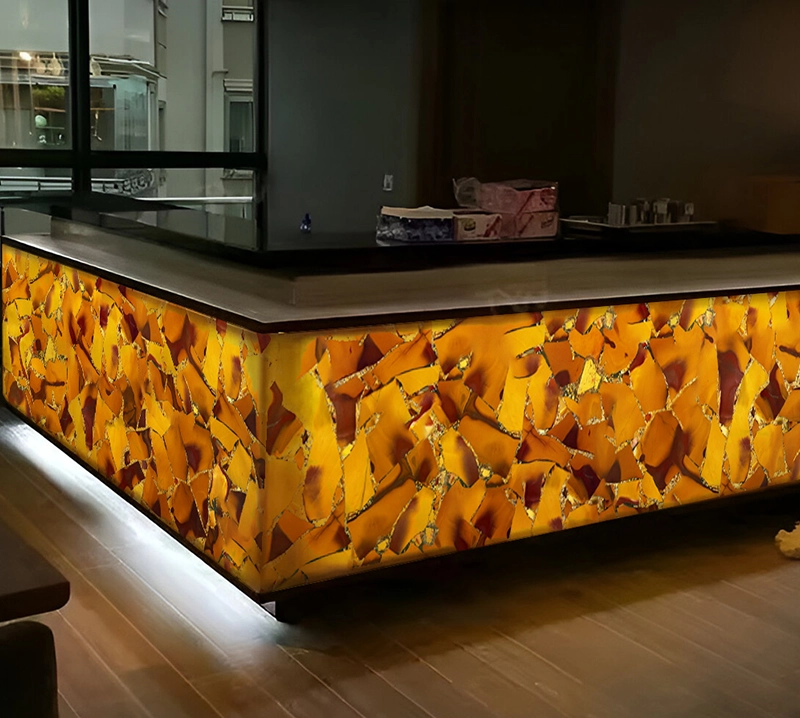
Pricing varies based on stone rarity, slab size, thickness, and finishing quality. Backlit-grade slabs with high translucency usually command higher prices.
Custom Fabrication Costs
If slabs require custom cutting, edge finishing, or lamination, manufacturers may include additional fabrication charges.
Packaging and Crating Standards
Proper packaging is essential when exporting stone internationally. Slabs should be packed in strong wooden crates with foam protection to prevent movement during transit.
Moisture and Impact Protection
Export crates are usually lined with plastic sheets to prevent moisture damage. Internal supports ensure slabs remain secure during shipping.
Container Loading
Experienced exporters carefully plan crate positioning inside shipping containers to minimize vibration and movement during sea transport.

Understanding Shipping Terms
When you import stone slabs from India, shipping terms define who is responsible for transportation costs and logistics.
FOB Mundra
FOB (Free on Board) means the supplier delivers the goods to the port—in this case, Mundra Port—and the buyer handles ocean freight and insurance.
CIF and DDP Shipping
CIF includes ocean freight and insurance arranged by the exporter. DDP (Delivered Duty Paid) means the supplier manages the entire shipping process including customs clearance and final delivery.
Typical Production Lead Times
Lead times vary depending on slab availability and order size. Standard orders generally require two to four weeks for production and packaging.
Shipping Duration
Sea freight transit from India to Europe or North America typically ranges from three to five weeks depending on the destination port.
Working with an Experienced Export Partner
Choosing a reliable semiprecious stone slab exporter India ensures smooth communication, consistent quality, and dependable delivery schedules.

If you are planning to import gemstone slabs for architectural projects or distribution, our team can assist with product selection, export logistics, and technical specifications.
👉 Send an Enquiry
FAQs – Importing Stone Slabs from India
Q1: Why do international buyers source stone slabs from India?
A: India offers skilled manufacturing, competitive pricing, and a large variety of gemstone materials.
Q2: What is the best port for exporting stone slabs from India?
A: Mundra Port is commonly used for stone exports because of its large container capacity and efficient logistics.
Q3: How are gemstone slabs packed for export?
A: Slabs are packed in reinforced wooden crates with foam padding and protective wrapping.
Q4: How long does shipping take?
A: Shipping typically takes three to five weeks depending on the destination country.